
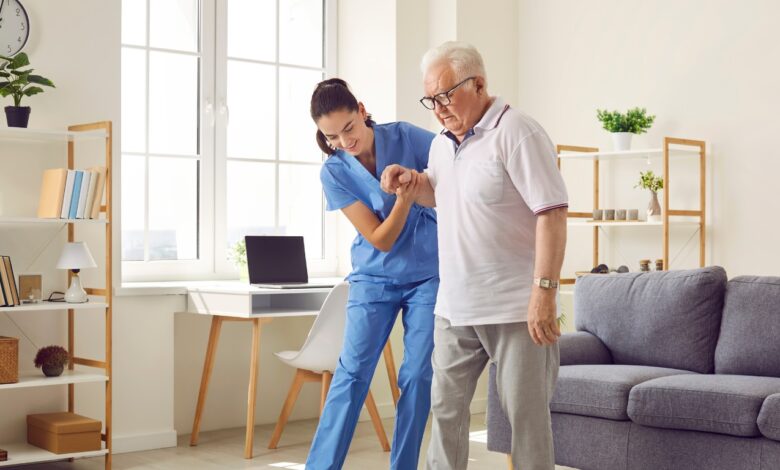
Making spaces work well for older folks is a big part of architecture, especially as more people around the globe are getting older. When architects design places like seniors living homes, they face some unique problems.
They have to think outside-the-box and come up with plans that really understand elderly’s needs while also being practical. The buildings should be safe and easy to move in, but they also need to make sure that seniors can live independently within their community happily. This post dives into these challenges faced by architects when designing such spaces.
Accessibility and Mobility
Designing for seniors can be tough. One key thing is making sure all places are easy to get to, no matter how folks move around. This means you’ve got things like ramps, lifts, and walkways fit for wheelchairs or walkers.
Doors must be wide enough so everyone gets through easily. The layout should avoid anything someone could trip over. It’s also vital that things like light switches, power outlets, and thermostats are placed where people with limited reach or mobility can use them comfortably!
Safety and Security
Making sure seniors are safe and secure is so important in architecture. It’s not just about sturdy buildings but also things like quick alert systems and easy-to-clear spaces for emergencies.
Materials used in construction must minimize slip hazards, and stairways should include handrails and non-slip treads. Good lighting indoors and outdoors can stop accidents before they happen, making everyone feel more comfortable day or night.
Social and Emotional Consideration
Creating places where seniors can connect with others is a big task. Architects need to make shared areas feel welcoming so they help fight loneliness. Spaces like dining rooms, activity centers, or even outdoors should get people chatting and mingling. But remember – everyone needs alone time, too, so personal spaces for quiet moments are just as important!
Bringing in natural elements like gardens or fountains could be great. Plenty of sunlight helps boost the mood big time. These touches really uplift our senior folks’ mental health and overall happiness.
Health and Wellness
Architectural designs for seniors must also support health and wellness. This includes air quality, which can be addressed through the use of non-toxic building materials and efficient ventilation systems.
Adding a gym or spots for workouts help keep everyone fit. Designs that push residents to move around support their freedom, too. Access to healthcare is key whether it’s on site or nearby, ensuring quick medical care when needed.
Conclusion
Making designs work for seniors means architects have to be creative and really understand their needs. They need to focus on easy access, safety, helping people connect socially, and health issues. By doing this, they can make places that not only suit the physical needs of older folks but also boost their quality of life by bringing in a sense of belonging.