
Corporate wellness programmes often begin with good intentions, but many fail to create lasting participation. Employees may attend a health talk, read an email campaign or join a short challenge, then quickly return to old routines. Passive wellness efforts can raise awareness, but they do not always change behaviour.
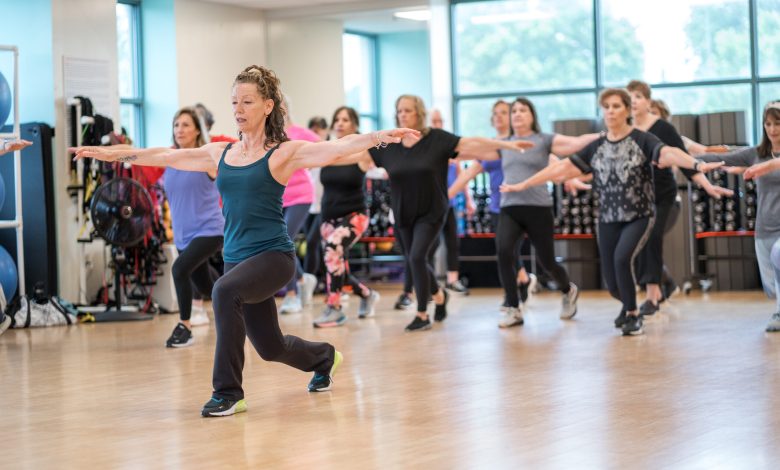
Offering workout classes can be a more engaging alternative for companies that want employees to participate actively in wellness. Classes involve movement, shared effort and real-time energy. They can support health, stress management and workplace culture in a way that passive programmes often cannot.
Passive wellness has limits
Health talks, posters and newsletters can provide useful information. However, information alone does not guarantee action. Most employees already know they should move more, manage stress and take care of their health.
The challenge is turning knowledge into behaviour. Passive programmes may not provide the structure, accountability or motivation needed for this shift.
Workout classes help bridge the gap by giving employees a direct experience of movement.
Active participation creates stronger engagement
People remember experiences more than instructions. A group class gives employees an opportunity to move, breathe and complete a session together. This creates a stronger impression than simply hearing about exercise benefits.
Active participation also makes wellness feel more practical. Employees do not just learn that movement matters. They experience how it feels.
This can increase the chances that they will continue being active outside the programme.
Classes can reduce workplace stress
Workplace stress is one of the biggest wellness challenges. Deadlines, meetings, client expectations and screen time can create mental fatigue. Workout classes provide a physical outlet.
High-energy classes can release tension. Yoga or mobility classes can support relaxation. Strength-based formats can build confidence.
Different class types can serve different employee needs, which makes the programme more inclusive.
Group classes support team connection
Corporate wellness should not only target individual health. It can also support team culture. Workout classes create shared experiences outside normal work roles.
Employees may train alongside colleagues from other departments, managers or leadership. This can improve connection in a relaxed, non-work setting.
Shared effort can build morale. It gives teams something positive to experience together.
Classes offer structure without overcomplication
A major benefit of classes is that they are already structured. Employees do not need to plan exercises or understand complex training programmes. They follow the instructor and complete the session.
This makes workplace wellness easier to deliver. Companies can offer class access or organise group sessions without expecting employees to design their own routines.
A fitness environment such as True Fitness Singapore can be relevant for organisations looking for structured class options and professional fitness settings.
Variety increases inclusivity
Not every employee wants the same type of workout. Some may enjoy cardio. Others may prefer strength, yoga, cycling, dance or mobility. Offering variety helps more people participate.
A wellness programme that only offers intense workouts may discourage beginners or stressed employees. A programme with different class types is more inclusive.
Inclusivity matters because wellness should support the whole workforce, not only the already active employees.
Leadership support improves participation
Employees may hesitate to join wellness activities if they feel work culture does not support it. If managers expect constant availability, employees may skip classes even when interested.
Leadership support is essential. Managers should encourage participation and respect reasonable wellness time.
When leaders participate or openly support wellness, the programme feels more legitimate.
Engagement should be measured by consistency
The success of workout classes should not be measured only by first-week attendance. Companies should look at ongoing participation, employee feedback and whether classes become part of the culture.
A smaller group attending regularly may be more valuable than a large one-time turnout. Consistency is where wellness impact grows.
Corporate wellness should aim for sustainable engagement, not only launch excitement.
FAQ
Our company has tried wellness talks, but participation dropped. Would workout classes work better?
They may, because classes are active rather than passive. Employees experience the benefit directly through movement, which can create stronger engagement.
What if some employees are not fit enough for group classes?
Choose class formats with modifications or offer different levels. Yoga, mobility and moderate cardio can make participation more accessible.
Should workout classes happen during work hours or after work?
It depends on company culture and schedules. Lunchtime, after-work and occasional morning sessions can all work. Employee feedback can help choose the best timing.
How can companies prevent wellness classes from feeling forced?
Keep participation voluntary and offer variety. Employees should feel invited to join, not pressured or judged.
Conclusion
Workout classes can be a high-engagement alternative to passive corporate wellness because they create active participation, shared energy and practical movement. They help employees experience wellness instead of only hearing about it.
For companies in Singapore, classes can support healthier teams, better morale and stronger workplace culture. When wellness becomes active and accessible, it is more likely to create lasting impact.