In the age of intelligent automation and algorithmic personalization, marketing is undergoing a seismic shift. Traditional segmentation and reactive campaigns are being replaced by predictive intelligence, a data-driven approach that anticipates customer behavior before it happens. This evolution marks a profound transformation in how brands design experiences, manage relationships, and sustain growth.
What Is Predictive Marketing Intelligence?
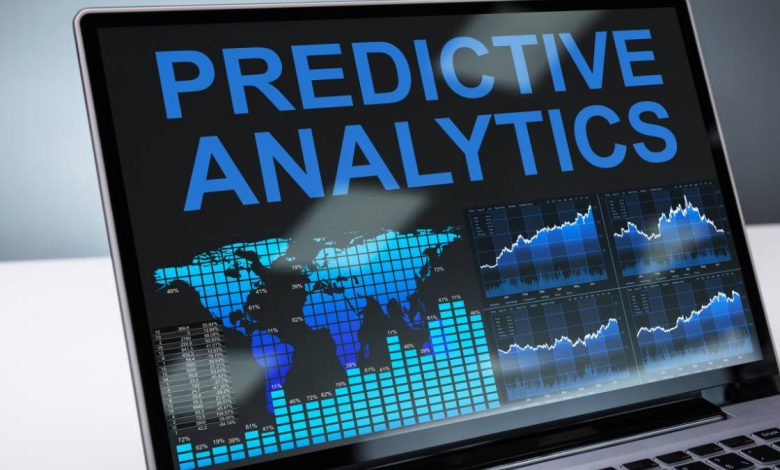
Predictive Marketing Intelligence (PMI) is the strategic application of artificial intelligence, machine learning, and statistical modeling to forecast customer actions and market trends. Rather than relying solely on historical data, PMI extracts actionable foresight—allowing marketers to predict the next move of their audience with remarkable precision.
This approach doesn’t just tell brands what happened; it helps them understand what will happen next. Predictive algorithms analyze data points like purchase history, browsing behavior, engagement patterns, and even sentiment analysis from social media to create dynamic consumer profiles. These profiles evolve in real time, ensuring marketing efforts stay relevant, contextual, and personalized.
The Shift from Reactive to Proactive Marketing
For decades, marketing relied on reactive strategies—waiting for consumers to take action before responding with campaigns or offers. Predictive marketing reverses this model by enabling brands to proactively engage customers based on their likelihood to purchase, churn, or convert.
Imagine a retailer who knows a customer is likely to buy sneakers in the next two weeks based on subtle behavioral indicators—such as time spent viewing similar items or engagement with fitness-related content. Instead of waiting, the brand can trigger a timely, personalized promotion, increasing conversion probability and optimizing ad spend.
This shift represents a move from transactional interactions to anticipatory relationships, where data and AI guide each decision with measurable impact.
Key Components of Predictive Marketing Intelligence
To harness PMI effectively, brands must integrate several advanced data and analytics elements:
1. Data Integration and Enrichment
Predictive intelligence begins with comprehensive data integration. This means unifying data from CRM systems, email campaigns, social media, IoT devices, and e-commerce platforms into a centralized ecosystem. Enriched data enables more accurate modeling and segmentation, leading to deeper insights into customer intent and lifecycle stages.
2. Machine Learning Models
Machine learning (ML) is the engine behind predictive marketing. Algorithms continuously learn from new data, adapting and refining predictions over time. These models can detect subtle behavioral shifts—such as a sudden change in product preferences or engagement frequency—that human analysts might overlook.
3. Behavioral and Sentiment Analysis
Modern predictive systems incorporate behavioral analytics and sentiment recognition to understand emotional context. For instance, AI tools can analyze text and tone from reviews or social media posts to gauge customer satisfaction. This data helps brands predict potential churn and deploy retention strategies before issues escalate.
4. Predictive Lead Scoring
By assigning a predictive score to each lead based on engagement history, demographics, and conversion probability, marketers can prioritize efforts toward high-value prospects. This optimizes sales outreach and reduces wasted resources on low-potential leads.
5. Automated Decision Engines
AI-powered decision engines transform predictions into automated marketing actions. Whether it’s delivering personalized email content, dynamic website offers, or adaptive ad placements, automation ensures that predictions translate into real-world outcomes at scale.
How Predictive Marketing Enhances Customer Engagement
Predictive marketing’s greatest advantage lies in its ability to personalize at scale. By forecasting what customers want before they ask for it, brands can craft experiences that feel intuitive and human.
Hyper-Personalized Recommendations
Recommendation engines like those used by Netflix or Amazon are prime examples. These systems anticipate what a user will want next based on cumulative viewing or purchase data—creating seamless, engaging interactions that drive loyalty.
Lifecycle Optimization
Predictive marketing also enables customer lifecycle optimization. By identifying where a user is within their journey—awareness, consideration, purchase, or retention—brands can tailor their communication accordingly. This ensures relevance across every stage, improving overall conversion efficiency.
Dynamic Pricing and Offer Management
With predictive analytics, brands can analyze competitor pricing, demand fluctuations, and customer sensitivity to dynamically adjust prices or offer discounts in real time. This level of precision fosters competitive advantage and maximizes profitability.
Challenges and Ethical Considerations
While predictive marketing intelligence offers immense benefits, it also introduces complex challenges.
Data Privacy and Compliance
Handling massive volumes of personal data requires strict adherence to privacy regulations such as GDPR or CCPA. Marketers must ensure transparency, consent, and ethical data handling to maintain consumer trust.
Algorithmic Bias
AI models can inadvertently reflect biases present in training data, leading to unfair targeting or exclusion. Continuous monitoring, diverse datasets, and human oversight are critical to mitigating bias.
Over-Automation Risks
Excessive reliance on automation can dilute authenticity. Successful predictive marketing maintains a balance between automation and human creativity, ensuring messages remain emotionally resonant.
The Future of Predictive Marketing Intelligence
As technology continues to evolve, PMI will grow more context-aware, real-time, and autonomous. The next wave of innovation lies in predictive experience orchestration, where AI systems dynamically shape every brand touchpoint based on moment-to-moment customer intent.
Emerging trends such as emotion-based targeting, AI-generated creative optimization, and voice-driven predictive analytics are set to redefine engagement strategies entirely. The ultimate goal is a marketing ecosystem that is self-learning, ethically grounded, and customer-obsessed.
How to Implement Predictive Marketing Intelligence Strategically
To integrate PMI into an organization successfully, marketers should follow a structured approach:
-
Establish Data Foundations – Start with clean, structured data across touchpoints. Invest in robust data lakes and integration platforms.
-
Adopt AI and Analytics Tools – Leverage platforms like Salesforce Einstein, Adobe Sensei, or custom ML pipelines to begin modeling.
-
Define Predictive KPIs – Identify measurable outcomes, such as customer lifetime value (CLV) growth, churn reduction, or upsell rates.
-
Iterate and Test Constantly – Continuously test model accuracy, validate assumptions, and recalibrate for changing market dynamics.
-
Empower Cross-Functional Teams – Involve marketing, data science, and customer experience teams for holistic decision-making.
When executed effectively, predictive marketing transforms static campaigns into living ecosystems of insight, automation, and adaptability—a decisive edge in the digital economy.
FAQs About Predictive Marketing Intelligence
1. How does predictive marketing differ from traditional data analytics?
Traditional analytics explains past performance, while predictive marketing forecasts future outcomes and customer behaviors using AI-driven models.
2. What industries benefit most from predictive marketing intelligence?
Retail, e-commerce, fintech, healthcare, and telecommunications benefit greatly—especially those managing large customer datasets and dynamic purchasing behaviors.
3. Can predictive marketing improve ROI on ad spend?
Yes. By predicting which audiences are most likely to convert, PMI ensures that every dollar spent targets high-potential prospects, boosting ROI.
4. How does predictive marketing impact customer retention?
By identifying early signals of churn—such as declining engagement or sentiment shifts—brands can proactively launch retention campaigns before customers leave.
5. What tools are essential for implementing predictive marketing intelligence?
Common tools include AI-driven CRM platforms, data visualization tools, predictive analytics engines, and customer data platforms (CDPs) for unified data insights.
6. Is predictive marketing suitable for small and medium businesses?
Absolutely. With the rise of cloud-based AI tools, even SMBs can leverage affordable predictive systems to improve targeting and personalization.
7. What skills are required for marketers in the predictive age?
Marketers need strong analytical literacy, understanding of AI models, ethical data practices, and strategic creativity to interpret and act on predictive insights.
Conclusion
Predictive Marketing Intelligence represents more than a technological advancement—it’s a philosophical evolution in marketing. By shifting focus from reaction to anticipation, brands can cultivate genuine, data-informed relationships with their audiences. The future belongs to those who don’t just understand customer behavior but can predict and shape it ethically and intelligently.